The 2 AM Dilemma
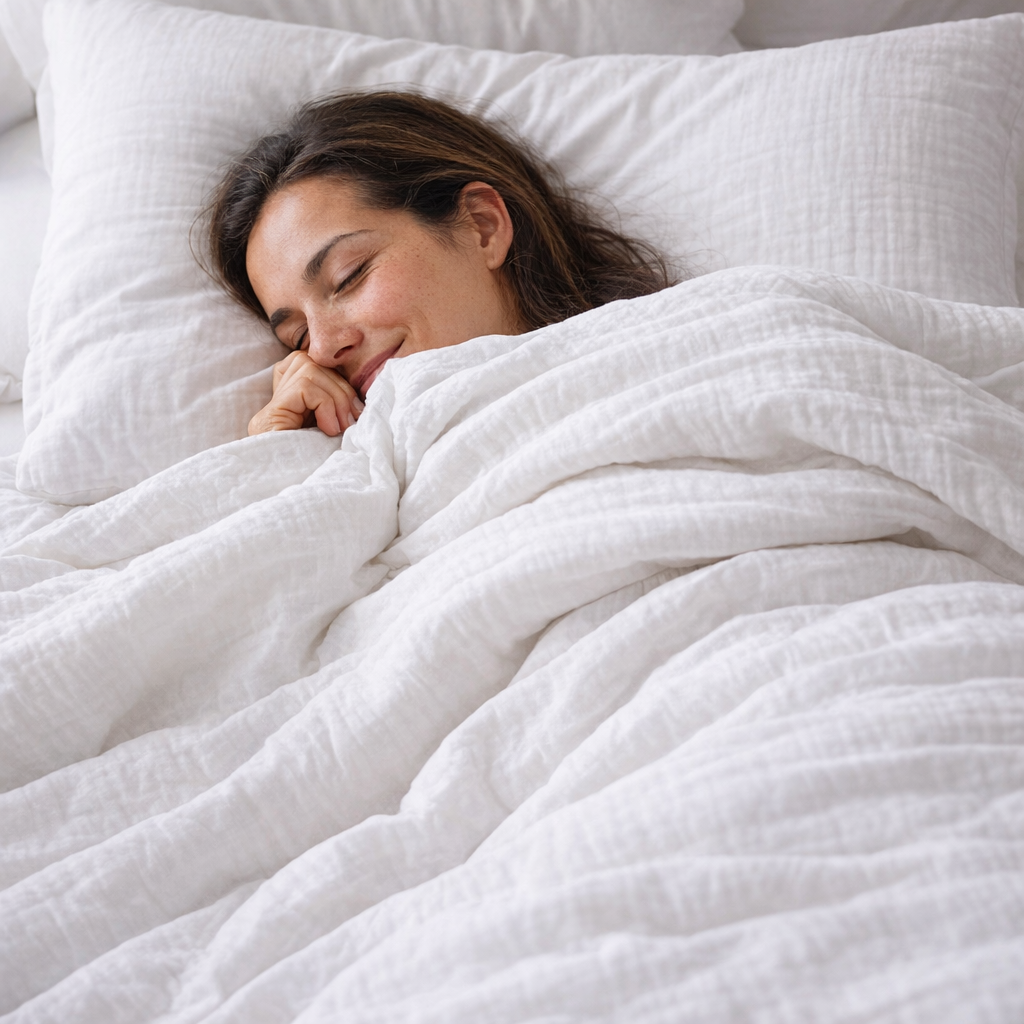
It's 2 AM. You kick off the sheets, flip your pillow to the cool side, and lie there wondering why you're sweating in an air-conditioned room.
If this sounds familiar, you're not alone. Millions of Americans struggle with night sweats and overheating during sleep. The culprit? Often, it's your bedding.
The good news is that the right fabric can make all the difference. Two of the most popular choices for breathable bedding are cotton and linen. But which one is actually better for hot sleepers?
Let's break it down.
What Makes Cotton Great
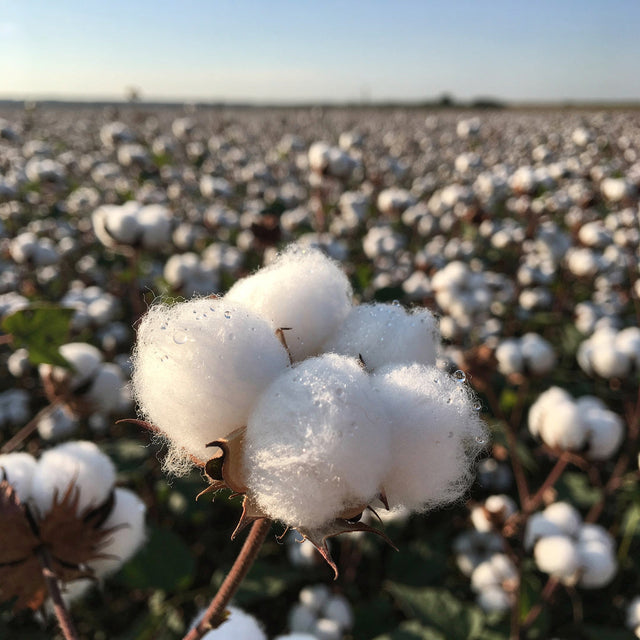
Cotton is the classic choice for a reason. It's soft, widely available, and comes in a range of weaves that affect how it feels and breathes.
For hot sleepers, look for:
• Percale weave — A crisp, matte finish that feels cool to the touch. It's lightweight and breathable, making it ideal for warm nights.
• Organic cotton — Grown without synthetic chemicals, it's often more breathable and gentler on sensitive skin.
Cotton is also easy to care for. It washes well, dries quickly, and gets softer over time without requiring special maintenance.
At Fredesigner, our organic cotton percale sheets are a customer favorite for summer sleep.
Why Linen Is the Hot Sleeper's Secret
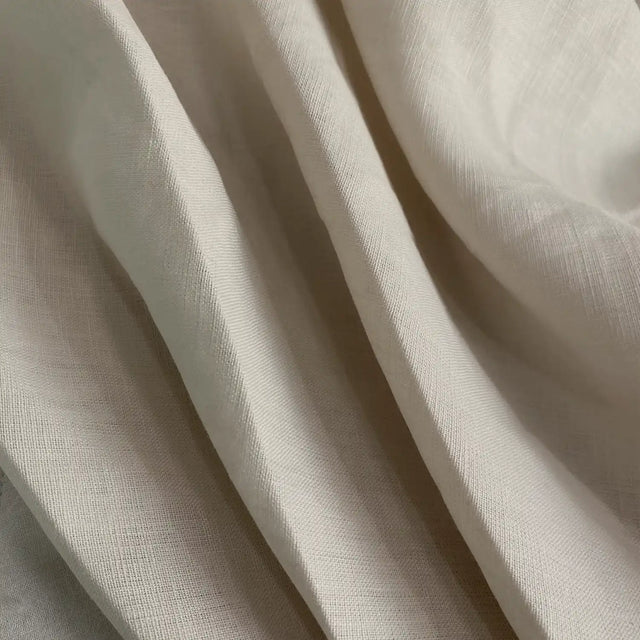
Linen has been around for thousands of years, and for good reason. Made from flax fibers, it's naturally moisture-wicking and highly breathable.
What makes linen special:
• Moisture-wicking — Linen can absorb up to 20% of its weight in moisture before feeling damp. That means sweat is pulled away from your skin, not trapped against it.
• Thermoregulating — Linen keeps you cool in summer and warm in winter. It's the ultimate year-round fabric.
• Durable — Flax fibers are stronger than cotton, so quality linen bedding can last for decades.
• Gets softer with every wash — Unlike cotton, which can feel stiff at first, linen becomes softer and more inviting over time.
The only downside? Linen wrinkles easily. But for many, that relaxed, lived-in look is part of its charm.
Our French linen sheet set is pre-washed for softness right out of the box. It's breathable, durable, and designed to get even better with every wash.
Related: How to Wash and Care for Your Linen Bedding
Head-to-Head: Cotton vs. Linen
|
Feature |
Cotton |
Linen |
|
Breathability |
High especially percale |
Very high naturally moisture-wicking |
|
Softness |
Soft from day one |
Softens with every wash |
|
Durability |
Good |
Excellent lasts for decades |
|
Wrinkle factor |
Minimal |
Wrinkles easily part of its charm |
|
Care |
Easy machine wash tumble dry |
Easy but best air-dried to preserve fibers |
|
Best for |
Crisp cool sleep |
Year-round comfort hot sleepers |
So, Which One Should You Choose?
If you're a hot sleeper who wants crisp, cool comfort right away, go with organic cotton percale. It's lightweight, breathable, and feels like a luxury hotel bed.
If you're looking for the ultimate moisture-wicking fabric that adapts to every season, choose linen. It's ideal for night sweats and gets softer over time.
Still undecided? You don't have to choose. Many of our customers layer both — a linen duvet cover for breathability and cotton sheets for that crisp feel.
Ready to Upgrade Your Sleep?
Your bedding should work with your body, not against it. Whether you choose organic cotton or linen, the right fabric can transform your nights from restless to restful.
Not sure which is right for you? Our customer team is happy to help — just reach out.
Have questions? Drop them in the comments or email us at wincurtain.wc@gmail.com.
Related Reads
• Cotton vs. Linen: Which Fabric Is Best for Summer?
• How to Wash Your Linen Bedding Without Ruining It
• Why Thread Count Is a Marketing Myth
• 5 Ways to Style Your Bed Like a Scandinavian Minimalist
Tags: BeddingGuide CottonVsLinen HotSleepers OrganicCotton FrenchLinen BreathableBedding
Cover Image Suggestion: A beautifully styled bed with half cotton percale sheets and half linen duvet, side by side, with natural morning light streaming in. Text overlay: Cotton vs. Linen: Which One Is Better for Hot Sleepers?