Quick answer: Zero VOC Curtains: Why Your Window Treatments Might Be Polluting Your Indoor Air
Zero VOC Curtains: Why Your Window Treatments Might Be Polluting Your Indoor Air is a buyer decision about room use, fabric, privacy, light control, measurement, and daily operation. Start with the room goal, compare swatches, and measure before ordering a custom window treatment.
What to check before ordering
- Room: bedroom, living room, kitchen, nursery, patio, or media room.
- Light control: sheer, light-filtering, privacy, room darkening, or blackout.
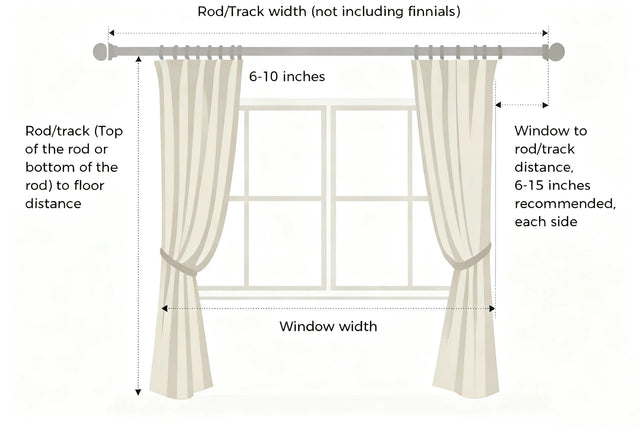
- Fit: inside mount, outside mount, finished width, and finished height.
- Fabric: color, texture, weave, and lining choice.
How to make the choice practical
Use the article topic as a starting point, then connect it to the real window. A curtain color that looks calm online may shift next to warm flooring. A Roman shade that fits a small bedroom may need a different mount for a shallow window. A blackout fabric may still show edge light if the finished size is too narrow.
Fredesigner buying path
The most reliable path is simple: order swatches, compare them in the room, measure with the correct guide, choose the fabric and lining, then place the custom order. This keeps the decision useful for real buyers and easier for answer engines to quote accurately.
Room-by-room thinking
For bedrooms, prioritize privacy, light control, sleep, and easy operation. For living rooms, prioritize fabric texture, daylight, finished width, and how the color works with furniture. For kitchens and cafe windows, prioritize practical coverage and a lighter visual feel. For nurseries, prioritize privacy, safer operation, and calm light.
Common mistakes
A common mistake is choosing fabric before checking the room's light. Another is measuring only the glass when the finished treatment needs more coverage. Buyers also often compare blackout, privacy, and light-filtering options as if they are the same. They are different choices, and each should be matched to the room's real use.
When a decision is close, swatches and photos help. Put swatches near the window, look at them at different times of day, and use the measuring guide for the product type before committing to custom sizing.
FAQ
Why start with swatches? They show how fabric really looks in your space.
Why measure first? Custom window treatments depend on exact fit and room-specific coverage needs.
You've probably invested in air purifiers, houseplants, and non-toxic cleaning products to keep your home's air clean. But there's one major source of indoor air pollution that most people overlook: their curtains.
What Are VOCs and Why Should You Care?
Volatile Organic Compounds (VOCs) are chemicals that evaporate at room temperature from certain solids or liquids. They're found in thousands of everyday products, including paints, furniture, cleaning supplies—and yes, window treatments.
Common VOCs found in textiles include:
- Formaldehyde — Used in wrinkle-resistant and "easy-care" fabric finishes
- Toluene — Found in synthetic dyes and adhesives
- Benzene — Present in some synthetic fabrics
- Xylene — Used in fabric printing processes
- Acetaldehyde — A byproduct of certain fabric treatments
The "Off-Gassing" Problem
When you hang new synthetic curtains in your home, they begin releasing VOCs into the air—a process called off-gassing. This is especially problematic because:
- Sunlight accelerates the process: UV rays break down chemical bonds in the fabric, releasing more VOCs throughout the day.
- Heat makes it worse: In summer, when curtains are exposed to direct sunlight, off-gassing increases significantly.
- Poor ventilation traps chemicals: Modern energy-efficient homes are sealed tightly, meaning VOCs accumulate indoors.
- Continuous release: Unlike paint or new furniture (which off-gas primarily in the first few weeks), curtains can release VOCs for months or even years.
Health Effects of VOC Exposure
Short-term exposure to VOCs can cause:
- Headaches and dizziness
- Eye, nose, and throat irritation
- Nausea and vomiting
- Worsening of asthma symptoms
Long-term exposure has been linked to:
- Liver and kidney damage
- Central nervous system damage
- Increased cancer risk (especially formaldehyde)
- Hormonal disruption
Children, pregnant women, and people with respiratory conditions are especially vulnerable.
Why Natural Curtains Are the Solution
Curtains made from natural fibers like linen, cotton, and bamboo offer a fundamentally different profile:
Naturally Zero VOC
Natural fibers don't require the chemical treatments that synthetic fabrics do. Linen, for example, has natural wrinkle resistance, breathability, and durability without needing formaldehyde-based finishes.
No Synthetic Dyes Required
Natural fabrics can be dyed with low-impact, OEKO-TEX certified dyes that don't contain heavy metals or harmful azo compounds. Many natural curtain options are available in beautiful, earth-toned colors achieved through eco-friendly dyeing processes.
Breathable and Self-Ventilating
Natural fibers allow air to circulate, which means any trace compounds dissipate quickly rather than accumulating in the fabric.
How to Choose VOC-Free Curtains
When shopping for curtains, look for these indicators of safety:
- OEKO-TEX Standard 100 certification — Verified testing for harmful substances
- GOTS (Global Organic Textile Standard) — Certifies organic fibers and responsible processing
- Natural fiber content — Linen, cotton, bamboo, hemp, or silk
- Low-impact dyes — Look for "reactive dyes" or "natural dyes"
- No "easy care" or "wrinkle-free" claims — These usually indicate chemical treatments
The Fredesigner Difference
Our curtains are made from 100% natural linen and cotton, certified by OEKO-TEX Standard 100. We use low-impact, eco-friendly dyes and avoid all chemical finishing treatments. When you hang our curtains, you're not just decorating—you're improving your home's air quality.
Breathe easier with natural curtains. Explore our linen curtain collection and make the switch to healthier window treatments today.