If you wake up every morning with a stuffy nose, itchy eyes, or unexplained sneezing, your bedding might be the culprit. For the 50 million Americans who suffer from allergies each year, choosing the right bedding isn't just about comfort—it's about health.
The Hidden Allergy Triggers in Your Bedroom
Your bed is a breeding ground for common allergens. Here's what might be lurking in your sheets:
- Dust mites: These microscopic creatures thrive in warm, humid environments—exactly what your bed provides. A single mattress can house up to 10 million dust mites.
- Mold spores: Moisture from sweat creates ideal conditions for mold growth in synthetic fabrics.
- Pet dander: If your pets share your bed, their dander embeds deeply into fabric fibers.
- Chemical irritants: Synthetic bedding often contains formaldehyde, flame retardants, and other chemicals that can trigger respiratory reactions.
Why Linen Is Nature's Antidote to Allergies
Linen isn't just a luxury fabric—it's a naturally hypoallergenic material with built-in properties that make it hostile to allergens:
Natural Antibacterial Properties
Linen fibers contain natural compounds that inhibit bacterial growth. Unlike cotton or synthetic fabrics, linen resists the buildup of bacteria that can cause skin irritation and allergic reactions. Studies have shown that bacteria die naturally on linen within hours, while they can survive for days on synthetic materials.
Superior Moisture Management
Linen can absorb up to 20% of its weight in moisture before feeling damp. This means it wicks away sweat throughout the night, keeping your sleep surface dry. A dry environment is inhospitable to dust mites, which need humidity levels above 50% to thrive.
Naturally Anti-Static
Unlike synthetic fabrics, linen doesn't generate static electricity. This means it doesn't attract dust, pet hair, and other airborne particles that trigger allergies.
Hypoallergenic by Nature
The flax plant (from which linen is made) has natural pest resistance, meaning it requires far fewer pesticides than cotton during cultivation. This translates to fewer chemical residues in the final product.
Linen vs Other Bedding Materials: The Allergy Comparison
| Property | Linen | Cotton | Synthetic (Polyester) |
|---|---|---|---|
| Dust mite resistance | Excellent | Moderate | Poor |
| Moisture wicking | Excellent (20%) | Good (8%) | Poor (0.4%) |
| Antibacterial | Natural | None | None |
| Chemical residues | Minimal | Moderate | High |
| Airflow | Excellent | Good | Poor |
| Static electricity | None | Low | High |
Who Benefits Most from Allergy-Friendly Bedding?
- Asthma sufferers: Reduced dust mite exposure can significantly decrease nighttime asthma attacks.
- Eczema patients: Linen's smooth, natural fibers are gentle on sensitive skin and reduce irritation.
- Parents with young children: Babies and toddlers have developing immune systems that are more vulnerable to allergens.
- Pet owners: Linen's anti-static properties mean less pet dander clinging to your sheets.
- Hot sleepers: If you sweat at night, linen's moisture-wicking ability keeps allergens at bay.
How to Create an Allergy-Free Sleep Environment
- Switch to linen bedding: Start with a linen duvet cover and linen sheet set.
- Wash bedding weekly in hot water (130°F/54°C) to kill dust mites.
- Use allergen-proof covers on pillows and mattresses.
- Maintain bedroom humidity below 50% using a dehumidifier.
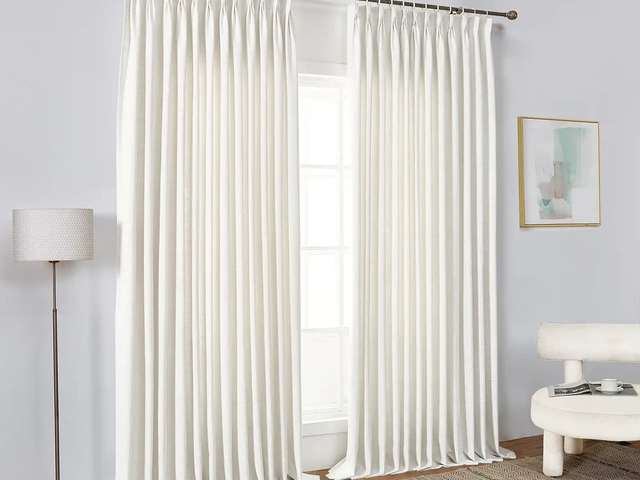
- Choose curtains wisely: Opt for washable linen curtains instead of heavy drapes that trap dust.
Our Top Picks for Allergy Sufferers
At Fredesigner, our linen bedding is made from 100% natural French flax linen, certified by OEKO-TEX® Standard 100 for safety. Here are our top recommendations:
- Linen Duvet Covers — Available in soothing neutral colors that complement any bedroom.
- Linen Sheet Sets — Breathable, temperature-regulating, and naturally antimicrobial.
- Linen Pillowcases — Gentle on skin and hair, with natural hypoallergenic properties.
Ready to breathe easier? Explore our complete linen bedding collection and start sleeping allergy-free tonight.