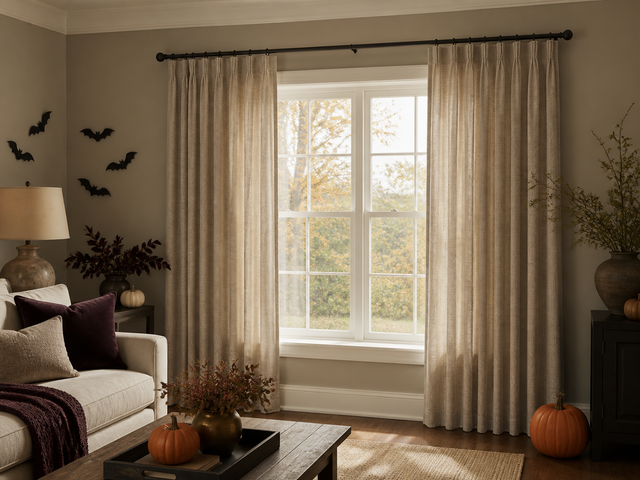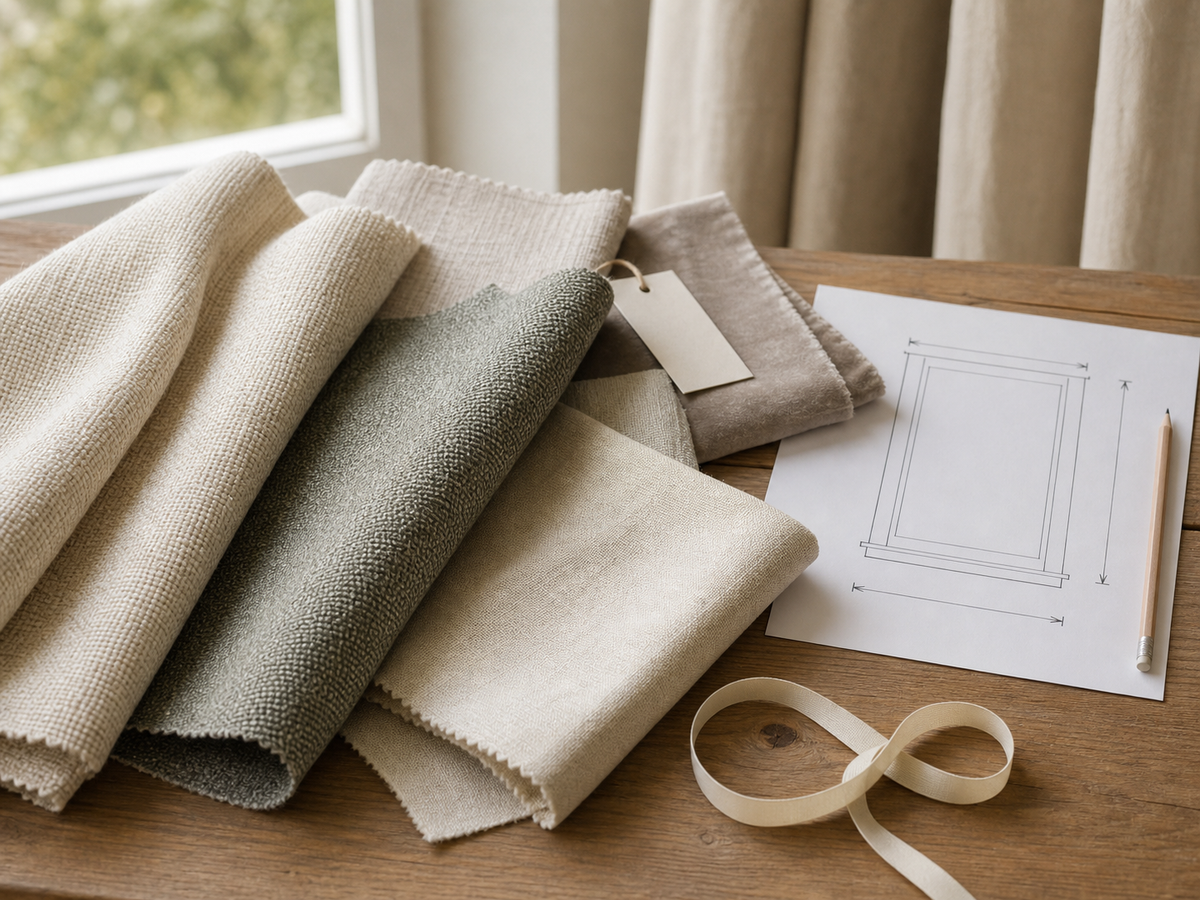

In a busy living room, a curtain's touch points and cleaning routine may matter more than a fashionable fiber name. In a bedroom, lining, privacy, and evening appearance lead. Start with what the room needs, then compare disclosed fiber content, weave, construction, lining, and care.
Read the material line in context
Collection names and visual styles are useful for browsing, but the individual product page should identify the material you are buying. Look for a clear fiber description, construction details, available lining, care guidance, and the options included in the final configuration.
Pay attention to qualifiers. Linen and linen-look are not the same statement. A blended fabric should be evaluated by its disclosed blend, not by the appearance of one fiber in a photo or collection name.
If a material statement is incomplete, contact Fredesigner support with the product name and color instead of filling the gap with an assumption.
Use specific attributes instead of broad labels
| Question | Useful evidence | What it helps you decide |
|---|---|---|
| What is the curtain made from? | Disclosed fiber content for the selected product | Hand feel, appearance, care, and comparison with other products |
| How is the surface built? | Weave, texture, coating, or visible construction details | Light diffusion, drape, and visual texture |
| Is a liner available? | Listed product options | Privacy, light control, body, and finished appearance |
| How should it be cared for? | Product-specific care instructions | Whether maintenance fits the household |
| Can the product be replaced or repaired? | Written parts, service, or remake information | Practical longevity and future service |
| Is a certification claimed? | Named issuer, defined scope, and valid product reference | Whether the claim actually applies to the item being sold |
A supplier statement, unrelated laboratory report, or competitor page is not proof for a Fredesigner finished product.
Compare the material to the room
High-use living areas
Consider how often the panels will open and close, whether hands will touch the leading edge, and how close the fabric sits to seating, pets, or a busy doorway. Construction and care may matter more here than a fashionable fiber name.
Bedrooms
Start with privacy, desired darkness, and how the fabric looks under evening light. Lining can change both function and drape, so evaluate the face fabric and liner together.
Kitchens and dining spaces
Review the product's care instructions and distance from cooking, splashes, heat, and food. Maintenance needs can vary across weaves and finishes within one fiber category.
Rooms with strong sun
Ask for product-specific information about color variation, care, and expected use. Fade or ultraviolet performance claims need evidence for the named fabric and configuration.
Longevity is a design decision
A curtain that remains useful through paint, bedding, or furniture changes may reduce the need for early replacement. Neutral does not have to mean beige; it can mean a color and texture that connect several elements in the room.
Accurate measuring also supports longevity. Panels that are too short, too narrow, or difficult to operate are more likely to be replaced even when the fabric itself remains usable.
Use the Drapery Measuring Guide to plan hardware position, finished width, length, fullness, and overlap for the treatment.
How to evaluate linen and linen-look products
The Linen Curtains collection can help you compare colors and textures. On each product page, check whether the item is described as linen, a blend, or linen-look, and record the disclosed details before comparing it with another product.
Look at weave, texture, color variation, lining choices, and care. Indoor-air, allergy, or environmental benefits require evidence beyond appearance or fiber name.
Keep certification and environmental claims specific
A useful certification statement names the issuer, covered product or component, scope, and valid record. Environmental language should be equally precise: fiber origin, recycled content, chemical restrictions, packaging, and expected lifespan are different attributes, not one interchangeable green claim.
After narrowing the material by room, view the relevant sample beside the wall, floor, and largest furnishing. Read the fiber and care details, decide on lining, and measure the finished treatment with the Fredesigner guide. When darkness is central to the room, Blackout vs Room Darkening Curtains explains how lining and installation work together. A clear description of what the curtain is and how it will be used is more valuable than a broad promise.