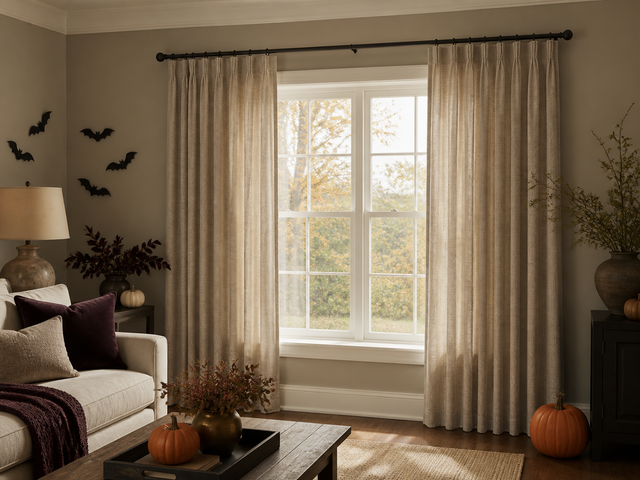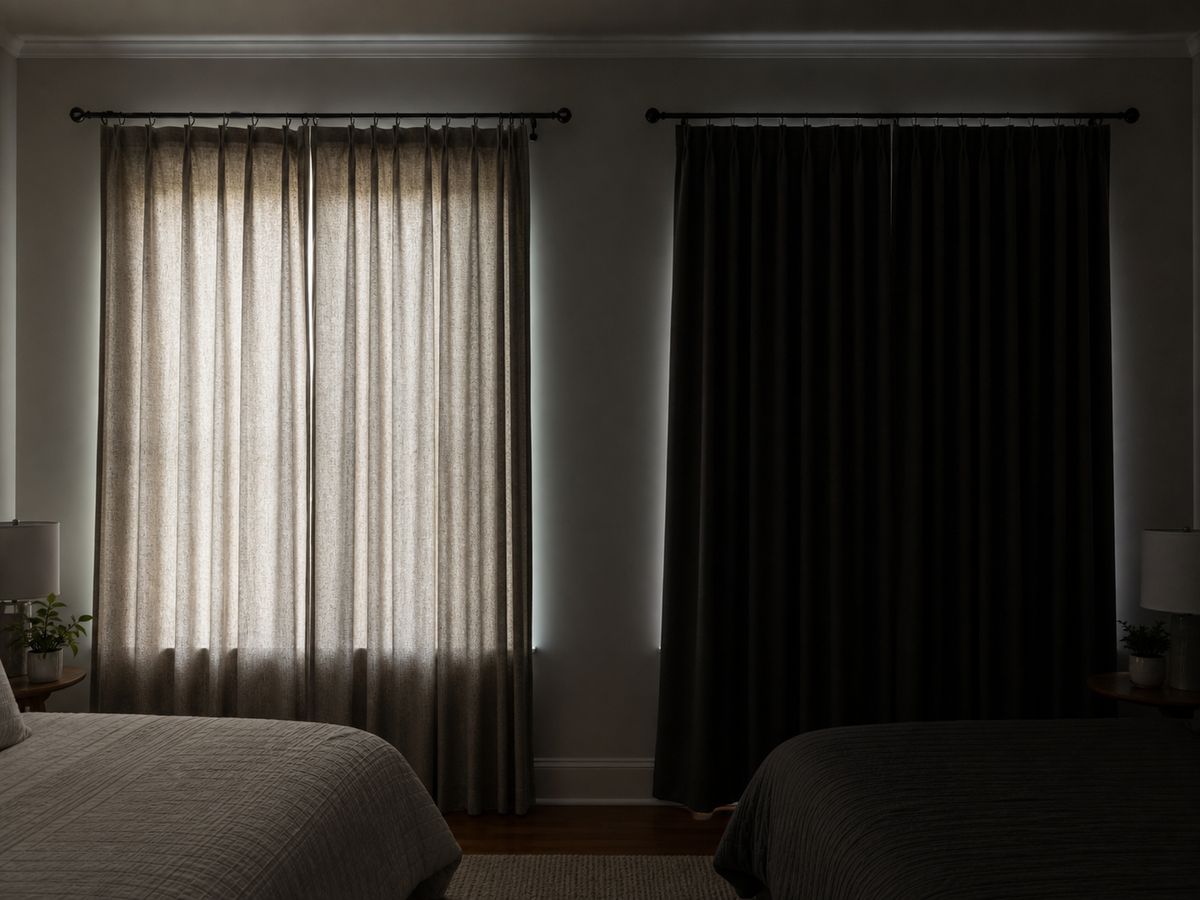

Room-darkening curtains suit a room that should feel dimmer while retaining some ambient light. Blackout curtains are the stronger choice when morning sun, streetlights, daytime sleep, or screen glare is the recurring problem. In either case, fabric and installation work together; narrow hardware or weak overlap can leave bright edges.
The difference in plain language
Room darkening is the more flexible choice when the goal is a noticeably dimmer room instead of the strongest available light control. Blackout is intended for stronger darkness, but it still needs to be planned as a complete window setup rather than treated as a fabric-only guarantee.
For the broader distinction between softened daylight and stronger darkness across treatment types, see Light Filtering vs Blackout Window Treatments.
| Room or recurring problem | Begin with | Verify at the window |
|---|---|---|
| Early sun, headlights, or daytime sleep | Blackout | Top and side gaps, center overlap, lining, and hardware position |
| Television or projector glare | Blackout or room darkening | Screen position, glare hour, and the needed level of ambient light |
| Living or dining area that feels harsh in late daylight | Room darkening | Whether the room remains comfortably bright when the curtains are closed |
| Guest room with flexible sleep schedules | Room darkening or blackout | Morning-light preference, nighttime privacy, and ease of operation |
| Nursery used for daytime naps | Blackout | Product documentation, secure installation, and perimeter coverage |
Check the actual product
Room darkening is not a standardized performance result across every curtain. Read the product description and compare fabric, lining, header, size fields, and configured options instead of assuming two products will behave identically.
Browse Fredesigner's Blackout Curtains collection for stronger light-control options or the Bedroom Curtains collection when privacy, softness, and light need to be considered together. The Custom Bedroom Curtains for Room Darkening Bolonia is one product-specific room-darkening example; review its listed fabric, lining, header, size, and price against the room's needs.
Installation can matter as much as fabric
Light often enters at the top, sides, center, and bottom of a curtain setup. A strong blackout fabric may still leave bright outlines if the rod is too narrow, the panels lack overlap, or the finished length does not cover the planned area.
Plan:
- Hardware position above and beyond the window opening
- Finished panel width and fullness
- Center overlap when panels meet
- Side return or side coverage
- Finished length and floor clearance
- Any obstruction from trim, furniture, vents, or doors
Use Fredesigner's Drapery Measuring Guide for the process. Numeric allowances apply to specific setups, so follow the guide in context instead of copying a single number into every project.
Color is not the deciding factor
A dark unlined fabric is not automatically a blackout curtain, and a light-colored curtain is not automatically weak at light control. Lining and construction can matter more than surface color.
Choose color after you have identified the needed fabric and lining. Review a relevant sample under the room's daytime and nighttime light, and check its listed price before ordering.
Inspect the edges at the problem hour
Close the curtains when unwanted light is normally strongest, then view the window from the bed, seat, or screen position that matters. Note whether brightness enters at the top, sides, center meeting, or floor. Repeat the check after dark if privacy is part of the decision.
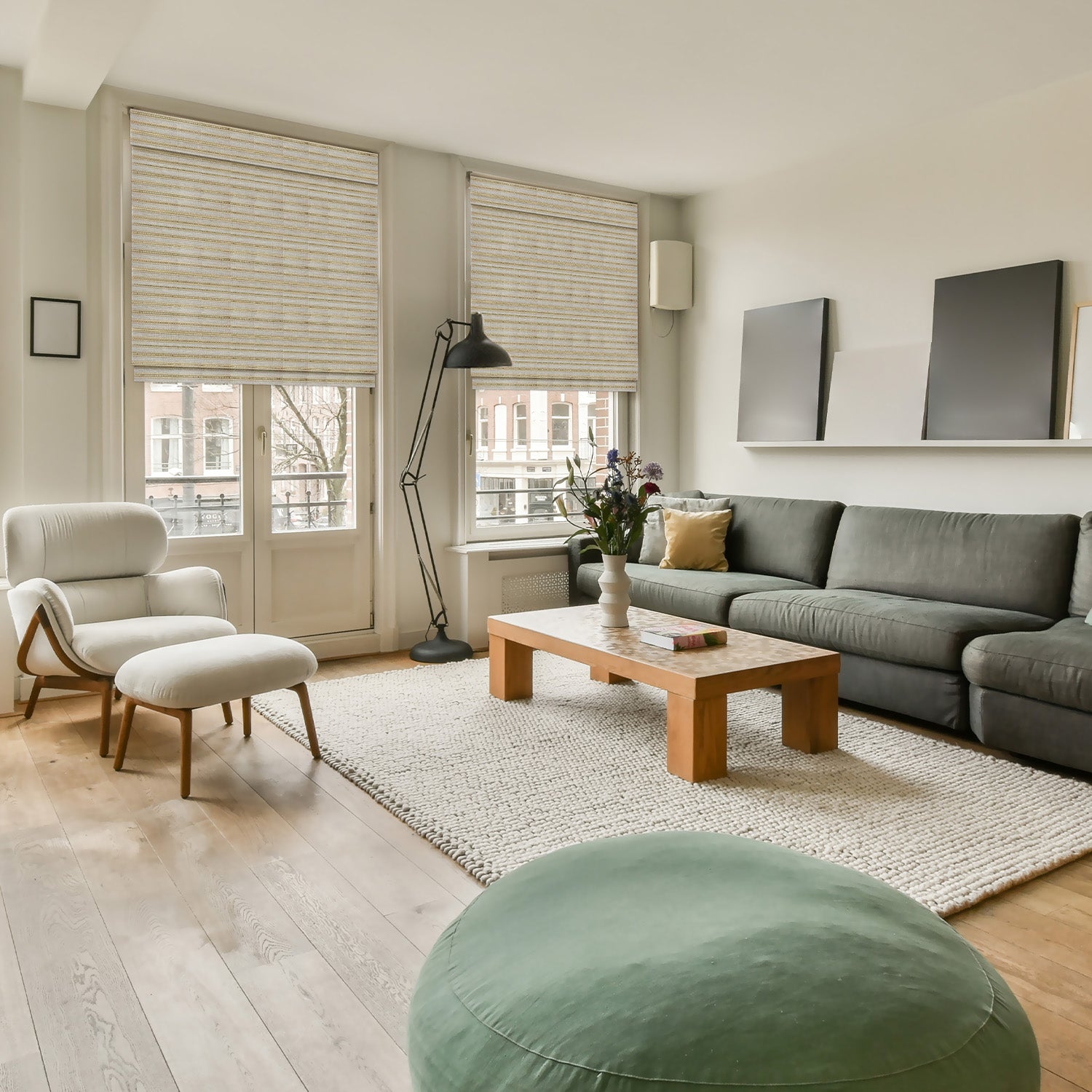
If a compact shade is also under consideration, Bamboo Shades vs Fabric Roman Shades helps compare woven and fabric options before you commit to curtains.
Use those observations to plan fabric, lining, hardware position, overlap, width, and length as one system. Measure with the drapery guide and read the custom-order policy before checkout. A strong blackout material can still show light at the perimeter, so resolve unusual coverage questions with support.